GM Pursues U.S. Battery Supply Chain Amid China Scrutiny
GM is moving to build domestic battery supply chains for EVs and energy storage as scrutiny of China-linked auto ties intensifies.
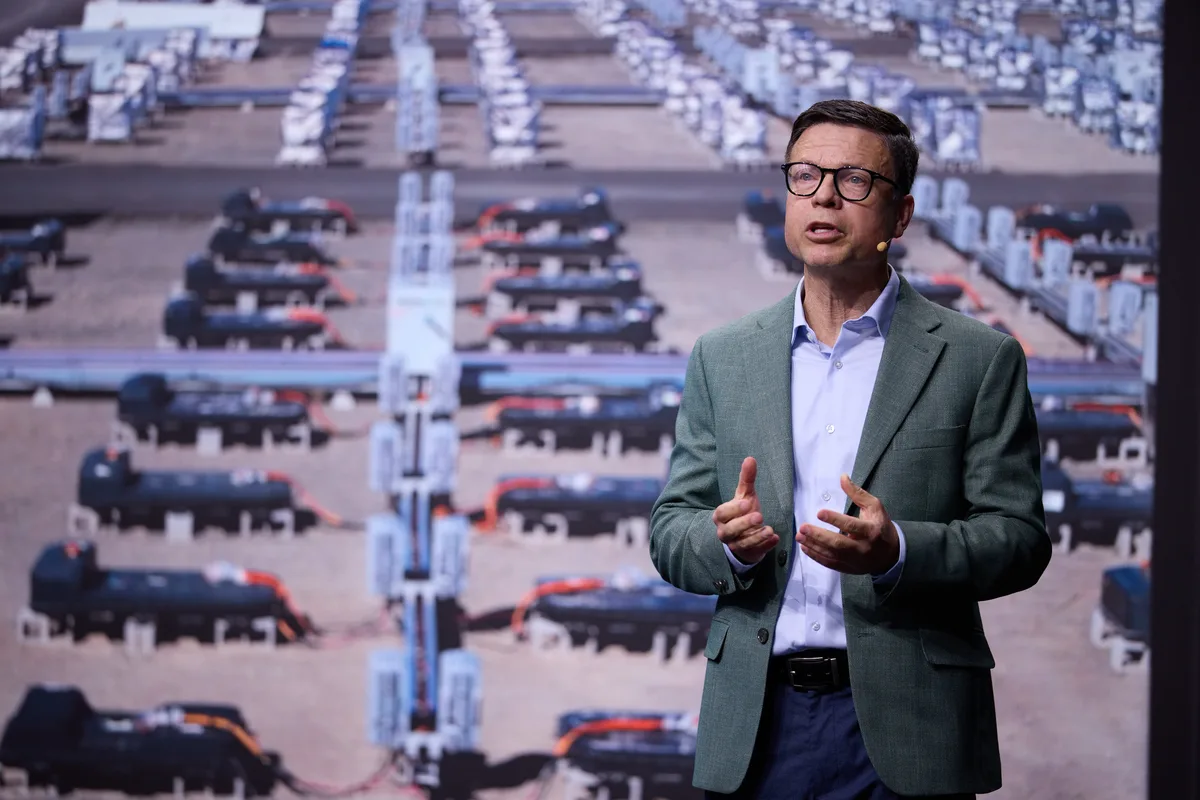
General Motors is pushing to develop battery supply chains inside the United States, a strategic shift driven by growing pressure to reduce dependence on Chinese raw materials that currently underpin most global battery cell production.
The automaker's effort spans both electric vehicle batteries and broader energy storage applications, signaling an ambition that extends beyond passenger cars into the wider clean-energy sector. The move comes as the Trump administration's Department of Transportation has drawn attention to rival Ford Motor Company over its ties to Chinese partners, raising the political stakes for any automaker perceived as insufficiently independent from Beijing.
Read more Costco Limits Kirkland Motor Oil Purchases, Raises Price →
The backdrop is a supply chain reality that affects virtually every major automaker: the minerals and processed materials essential to lithium-ion battery manufacturing — including lithium, cobalt, and graphite — are predominantly sourced or refined in China. Establishing credible domestic alternatives requires significant investment in mining, processing, and manufacturing infrastructure, a process that analysts note can take years to mature.
GM's push reflects a broader industry reckoning, as federal policy increasingly rewards or penalizes automakers based on the origin of their battery components. Incentives embedded in recent U.S. legislation have made domestic or allied-nation sourcing a financial imperative, not merely a geopolitical preference.
The contrast between GM's announced direction and the scrutiny facing Ford illustrates how quickly China-linked supply chain exposure has become a reputational and regulatory liability in Washington. Continue reading at Business News.